Coverage of hyperscale data centers in South Dakota and beyond — with a short note on why each story matters here.
Rapid City Post · Sep 10, 2026
Why it matters here: RAPID CITY, S.D. – An ordinance that would give the city guidelines in the approval process of data centers was continued until Nov. 5 by the City of Rapid City Planning Commission. Many Cities in South Dakota are pushing Data Centers and their High Energy Infrastructure back further and further in the year despite being aware of the issue for several months.
The Guardian · Jul 8, 2026
Why it matters here: Officials in Wyoming said a contractor for Mark Zuckerberg’s tech company, Meta, flushed bacteria-contaminated water into public sewers during construction of a controversial new AI datacenter. The city adopted a new policy prohibiting wastewater discharges from datacenters using closed loop cooling systems and fill and flush systems
KCRG · Jun 10, 2026
Why it matters here: Campgrounds across Eastern Iowa are filling up faster than ever as thousands of out-of-state workers arrive to help build data centers across the region. do data centers really employ local workers? What socioeconomic impacts occur when man camps go up at this scale and then leave?
The Conversation · Jun 8, 2026
Why it matters here: Its important to learn how data centers can be a net negative for their communities
Tech Policy Press · Jun 3, 2026
Why it matters here: There is significant grounds for lawsuits for residents when it comes to data centers
The Guardian · May 8, 2026
Why it matters here: Claims of nimbyism are a misunderstanding: the movement is about whether regular people have a say in fundamental decisions
World Resources Institute · Feb 17, 2026
Why it matters here: Energy prices and water use aren't the only ways data centers affect U.S. communities. We break down the impacts — and how some states are dealing with them.
SD News Watch · Jan 8, 2026
Why it matters here: A data center that is inching closer to becoming a reality in northeastern Sioux Falls could use 50,000 homes’ worth of power a year at its planned peak. Data centers have used significant amounts of power in other states. In 2023, 26% of the electricity supply of Virginia was used by data centers. For North Dakota, it was 15%.
Lincoln Land Institute · Oct 17, 2025
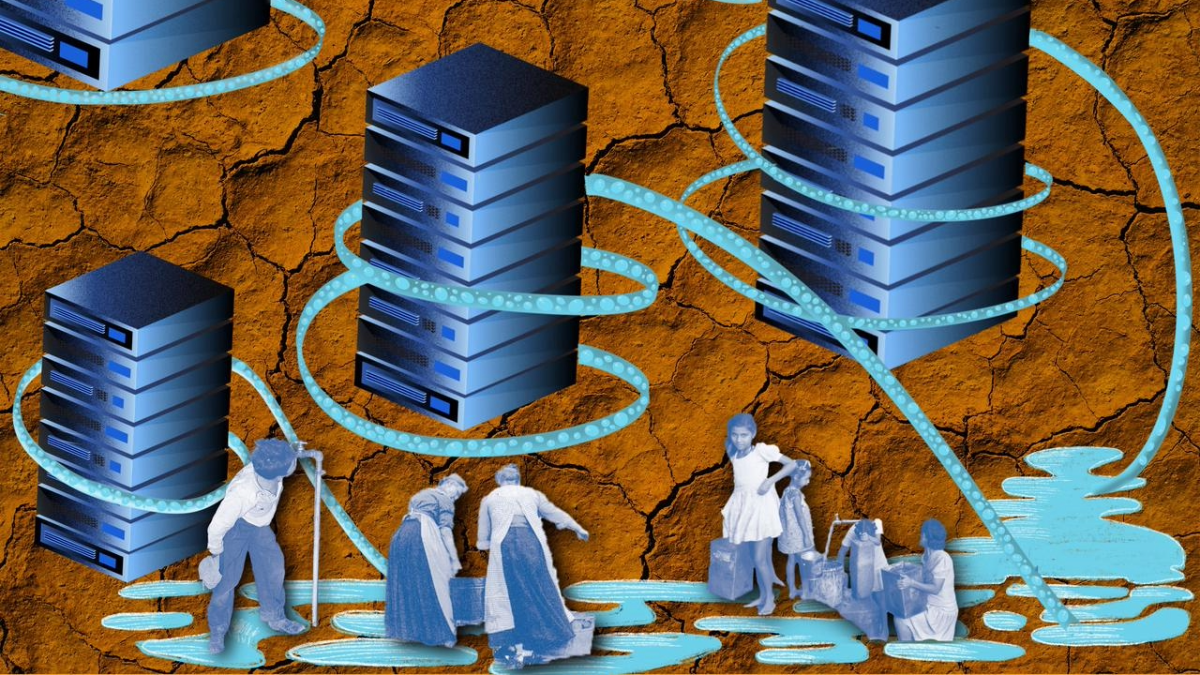
Why it matters here: In states and counties across the US, lawmakers aren’t just opening the door for these metaphorical, mechanical monsters. They’re actively luring them in, with tax breaks and other incentives, eager to lay claim to new municipal revenues and a piece of the explosive growth surrounding artificial intelligence. That may sound hyperbolic, but data centers truly are resource-ravenous. Even a mid-sized data center consumes as much water as a small town, while larger ones require up to 5 million gallons of water every day—as much as a city of 50,000 people.
The Guardian · Oct 9, 2024
Why it matters here: Tech companies’ use of Pfas gas at facilities may mean datacenters’ climate impact is worse than previously thought Researchers in recent years have been alarmed by the ever-growing level of Tfa in the air, water, human blood and elsewhere in the environment. Meanwhile, some f-gases are potent greenhouse gases that can remain in the atmosphere for thousands of years. But f-gasses are lucrative for industry: about 60% of all Pfas manufactured from 2019 to 2022 were f-gas.
Sioux Falls Business
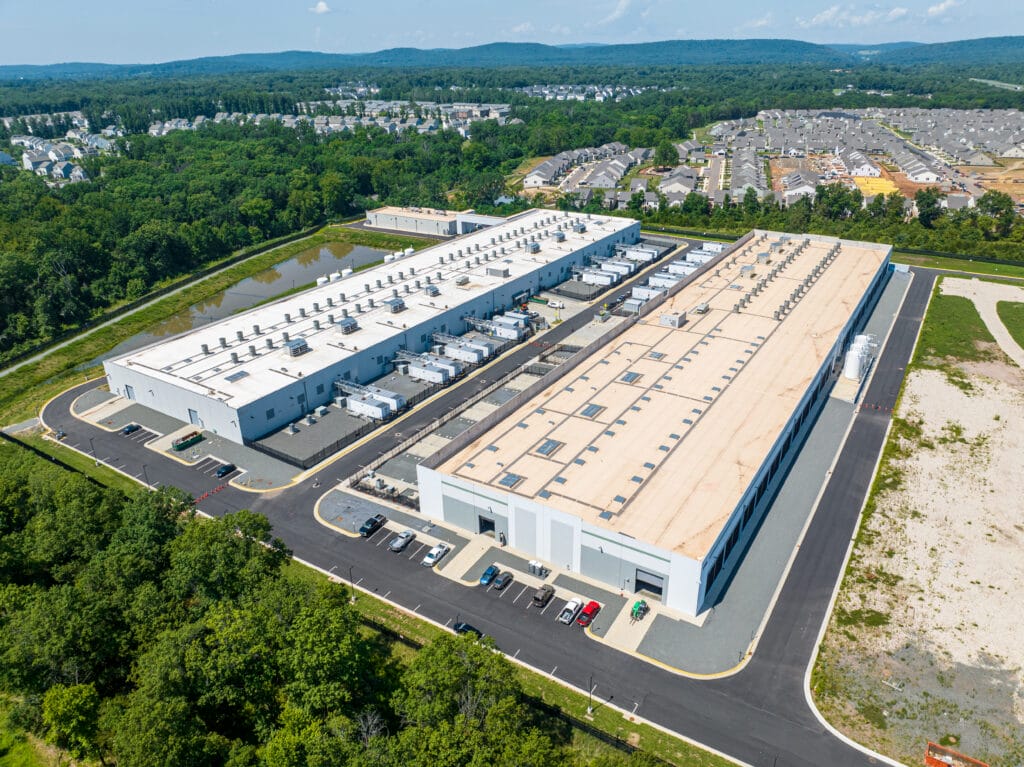
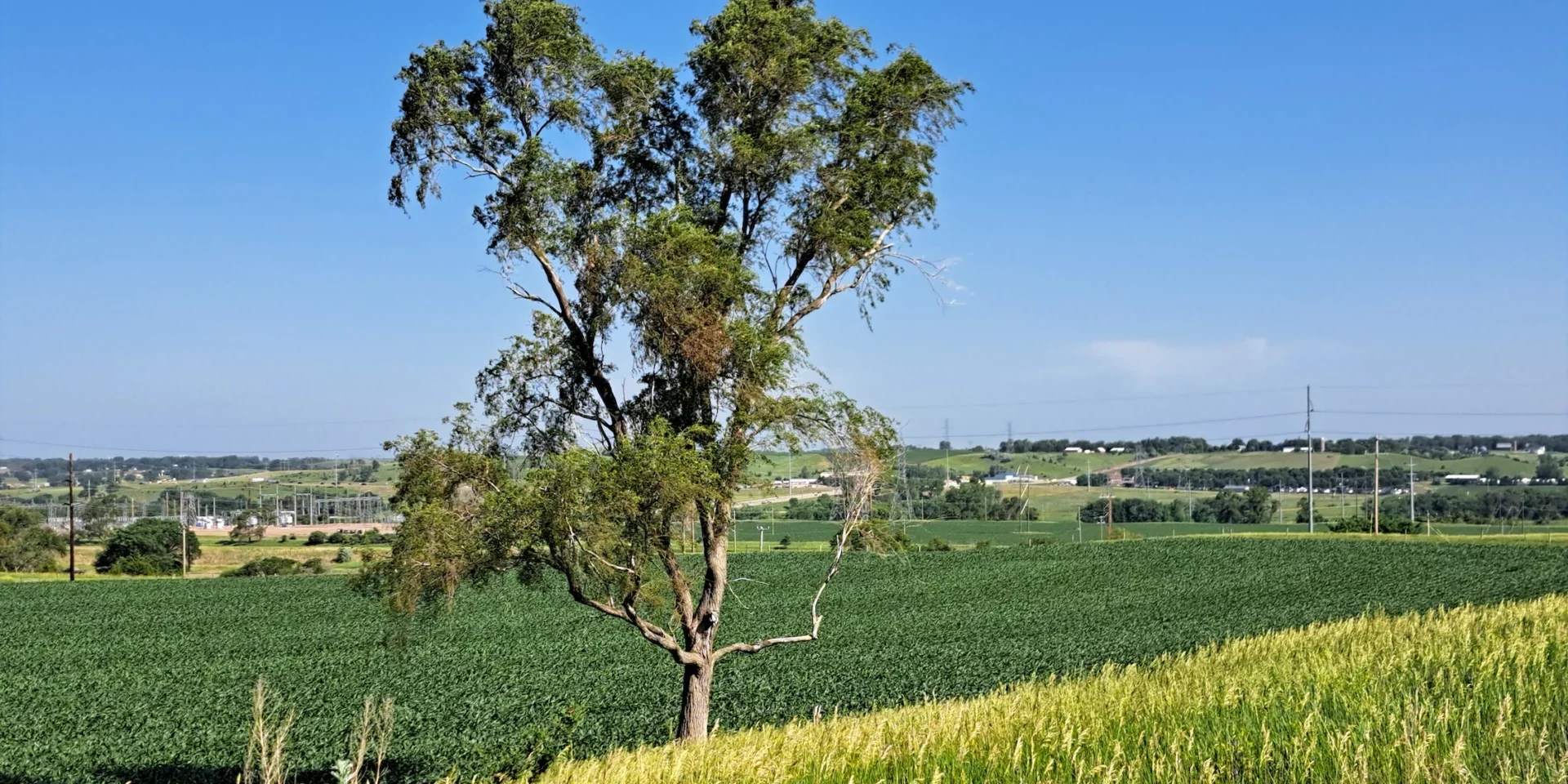
Why it matters here: Gemini Data Center SD LLC is connected with a California-based family office listed under the name Michael Anvar that invests in real estate, renewable energy and technology. The group acquired 160 acres from Xcel Energy late last year and has started its city approval process to develop a large-scale data center there. The site is about 1 mile south of the Veterans Parkway exit for Interstate 90, near the intersection with Rice Street. It’s just south of Xcel’s Split Rock substation and Angus Anson power station, allowing it to support a 500 megawatt power load.
AP News
Why it matters here: The environmental footprint of data centers already rivals some of the world’s largest countries, according to a United Nations University report, which also predicts their water and energy use and pollution will double in just four years as use of artificial intelligence grows.